
Water
It sets things in motion, cools the air, connects the seasons and recalls the place’s origin every day.
04 — History of the Mill
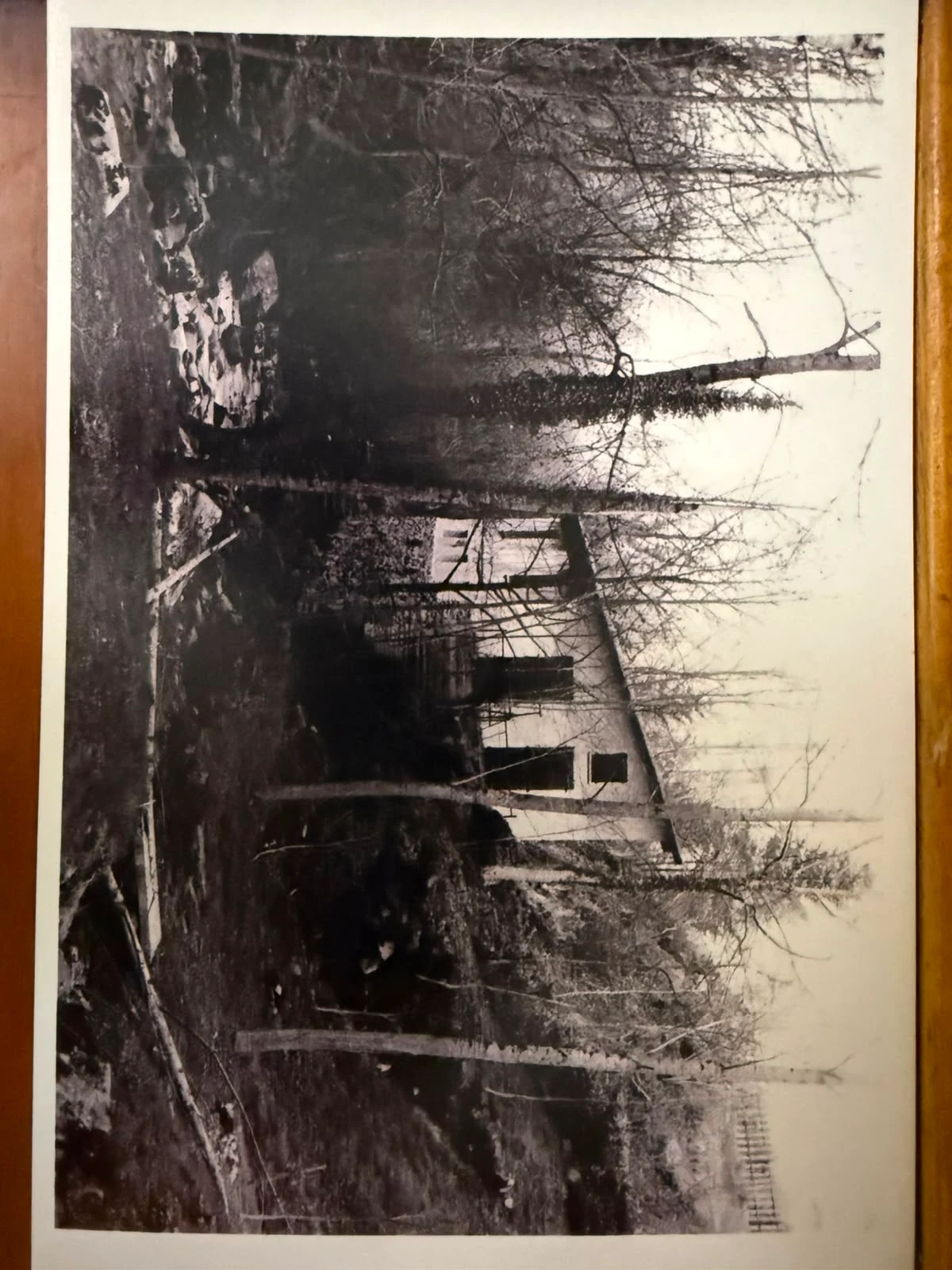
In Esbareich, deep in the Barousse valley, the place reveals itself in fragments: a watercourse, stone, an 1833 map and three old photographs.
The first thread
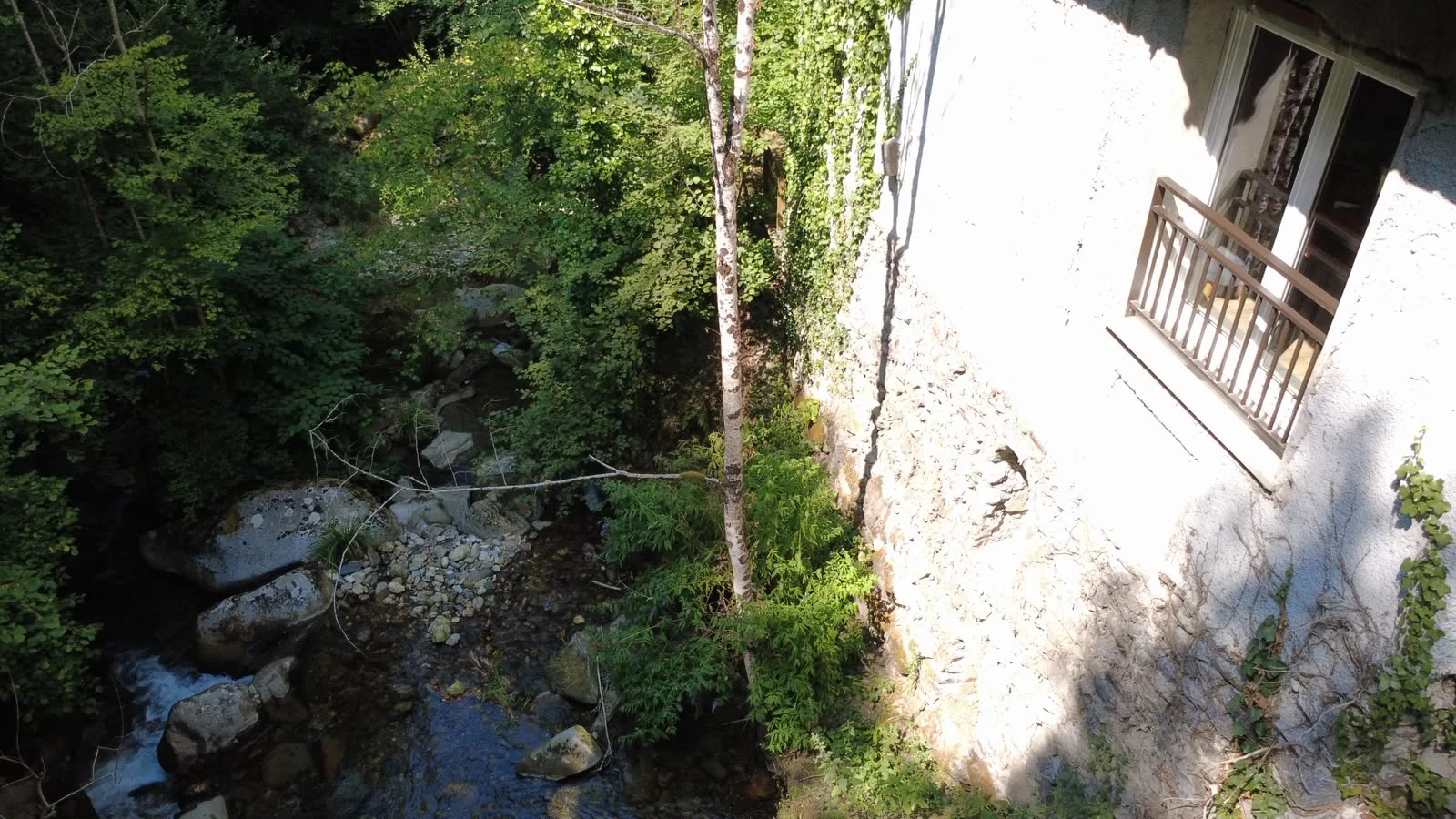
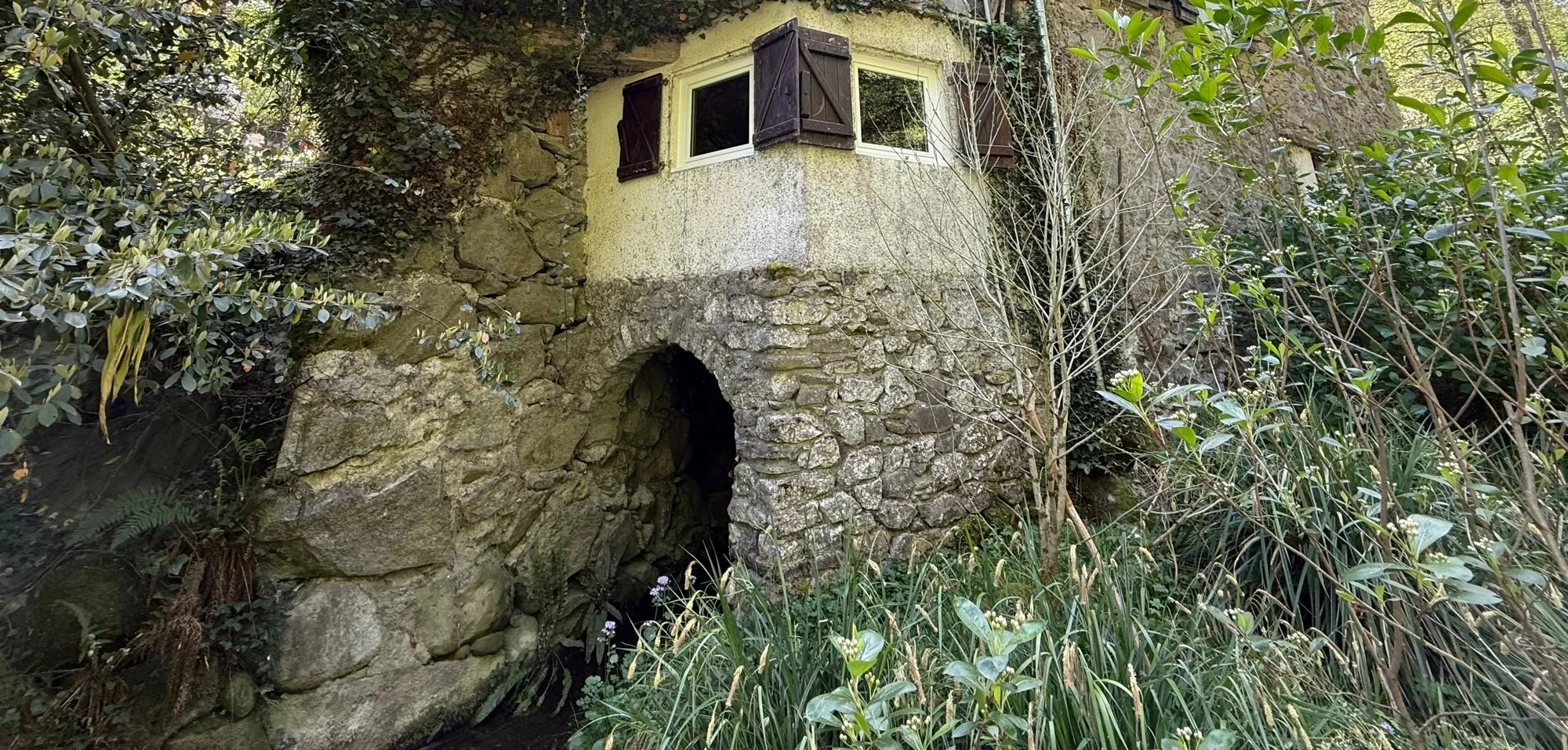
The Ourse de Sost runs alongside the estate and gives the place its rhythm, coolness and geography. The name “Au Moulin” holds the memory of an old place of transformation shaped by this presence.
Esbareich’s cadastral sheet, completed in 1833, already shows a group of buildings away from the village, beside the watercourse, on the site of today’s estate. It gives the story a firm first marker without confining it to one date.
Water is the story’s first material.View the 1833 cadastre
The place’s purpose
A mill transforms through movement, patience and time. That idea still runs through the estate, without added scenery or forced folklore.
It sets things in motion, cools the air, connects the seasons and recalls the place’s origin every day.
Old volumes, walls and photographs retain what the archives have not yet told.
In the private part of the property, an artisan laboratory now continues this attention to transformation through alchemy and spagyrics.
The laboratory is part of our private space; it is not open to guests and offers no therapeutic practice.
Visible memory
They do not form a timeline, but they show the long relationship between buildings, trees, relief and water.
Photograph 1 of 3
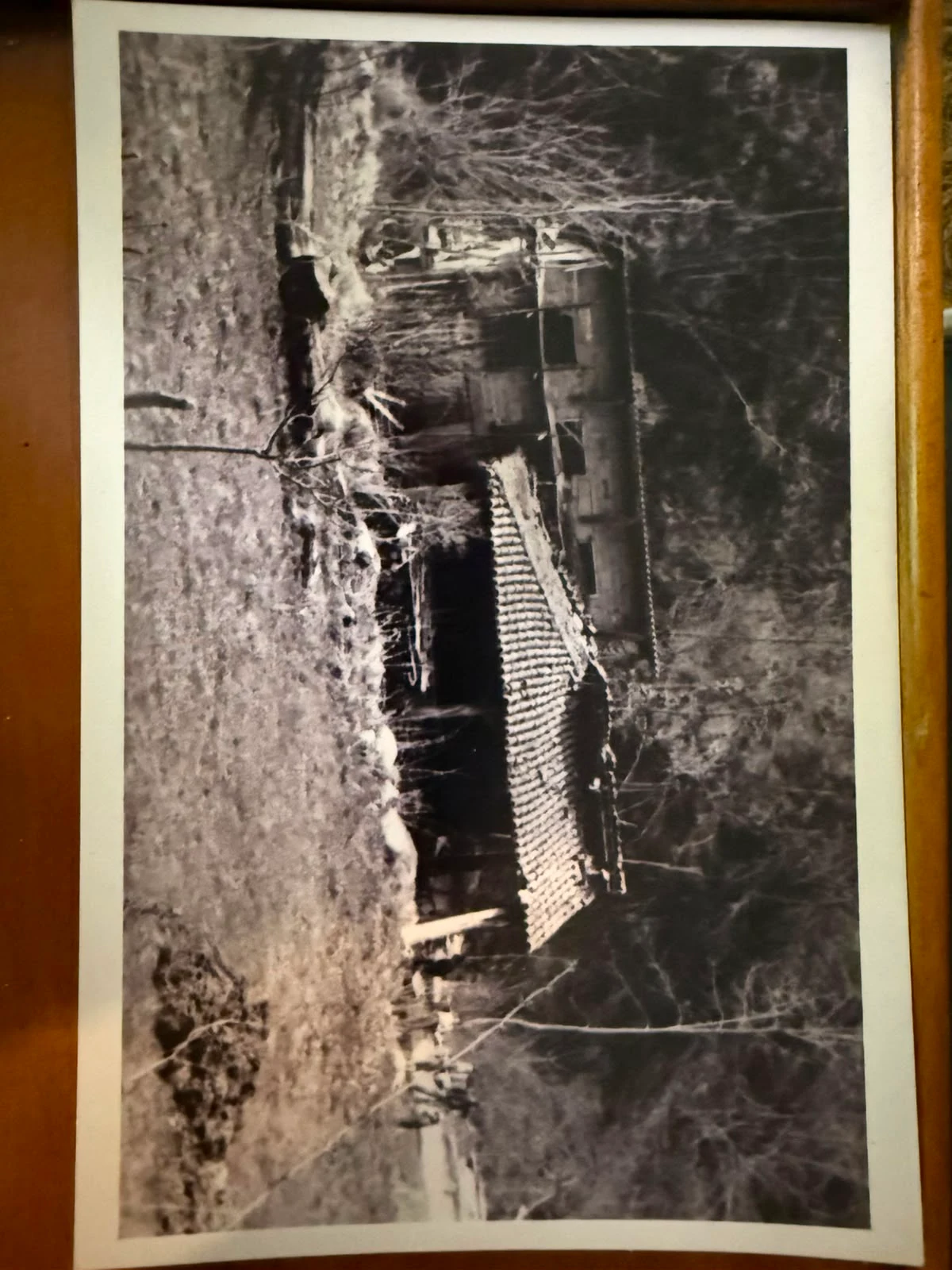
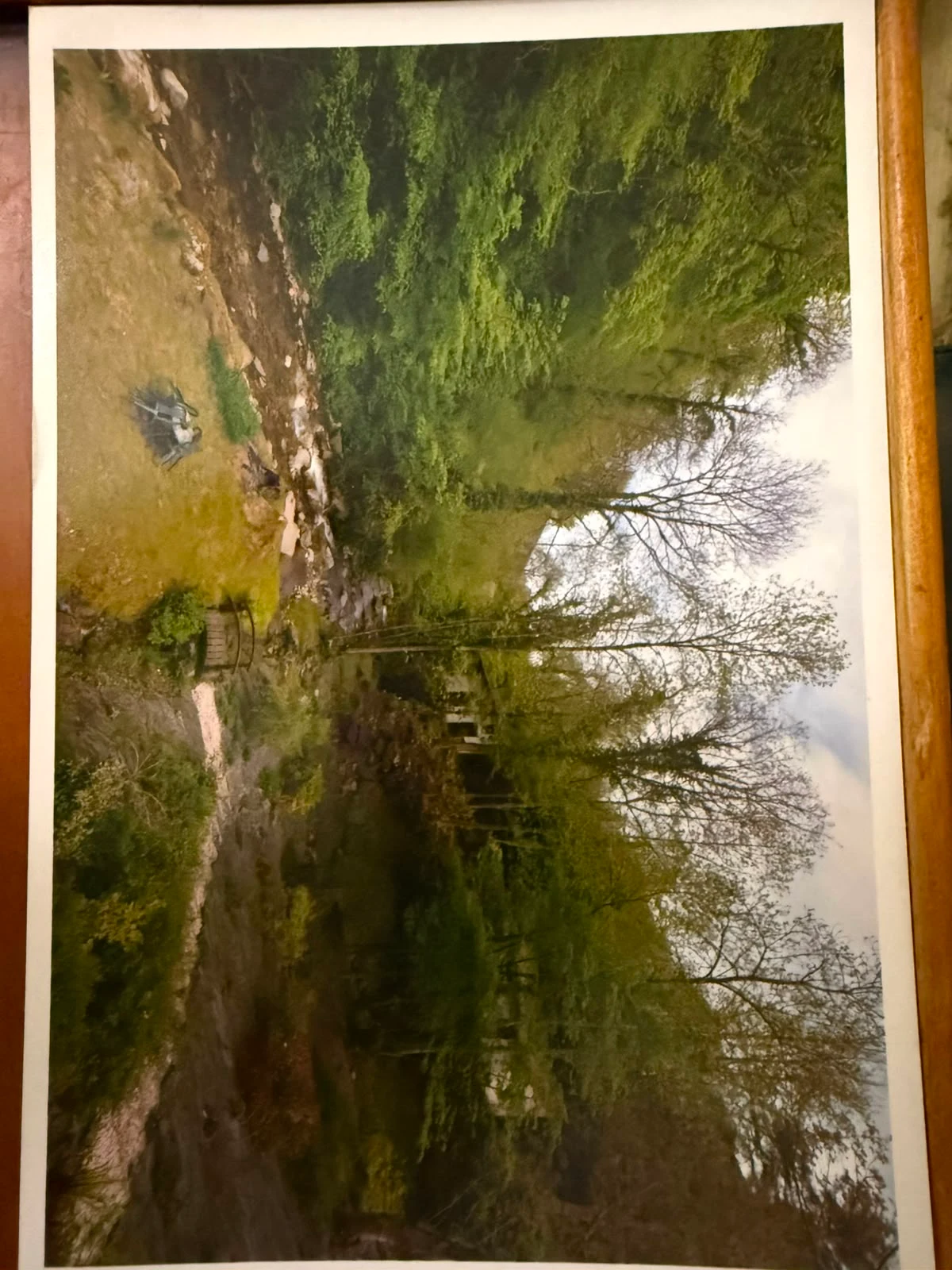
These photographs show the private part of the property, not spaces included in the cottage rental.
Tales, words and legends
Tales belong here as long as they remain tales. We therefore distinguish oral tradition, poetic connections and what the sources can actually establish.
Across the ridges
The tale
In testimonies collected in the neighbouring Val d’Aran, the Aranese words bruishes e bruishòts refer to female and male figures of witchcraft. The related Catalan forms bruixes and bruixots explain variants sometimes heard as “bruxia” or “bruxios”.
These accounts speak of plants, healers, apparitions and conjurations. In the private part of Au Moulin, the artisan laboratory devoted to plants, alchemy and spagyrics now answers them as a poetic echo — not as a historical lineage.
At Bramevaque Castle
The tale
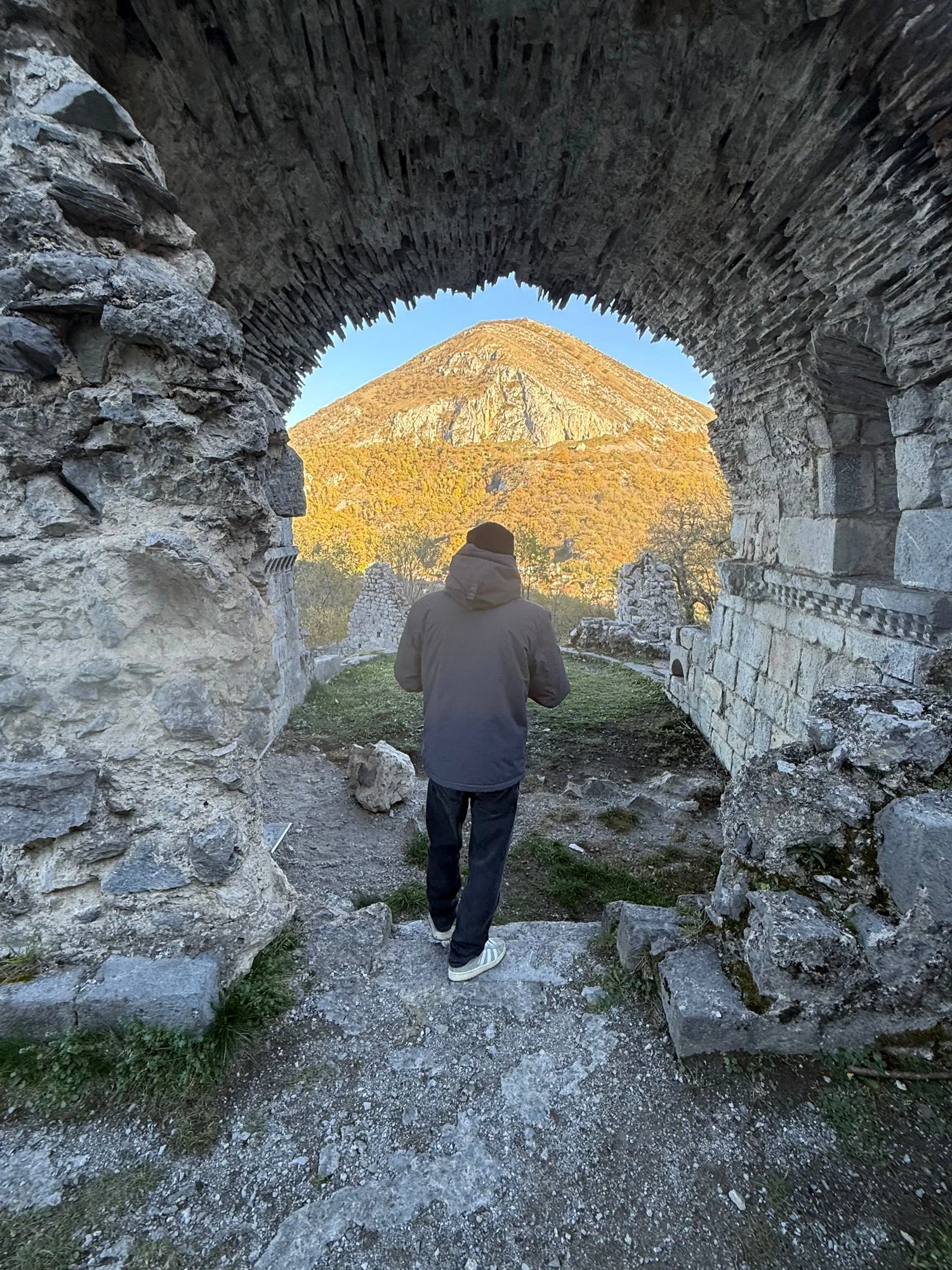
Legend turns Marguerite of Comminges into the castle’s ogress. One day, unable to find a child to serve her, her cook is said to have killed a calf. The mother cow’s cry for her young moved Marguerite and supposedly gave the place its popular name: “the lowing cow”.
Another version says that Marguerite was imprisoned at Bramevaque. This is where tale and history part ways: historical research places her long captivity at Saint-Marcet Castle, not Bramevaque.
The laboratory is in the private part of the property. It is not open to guests and offers no therapeutic practice.
The Barousse valley
The Mill’s story is also that of Esbareich and the French Pyrenees: worked land, paths and gradual reforestation.
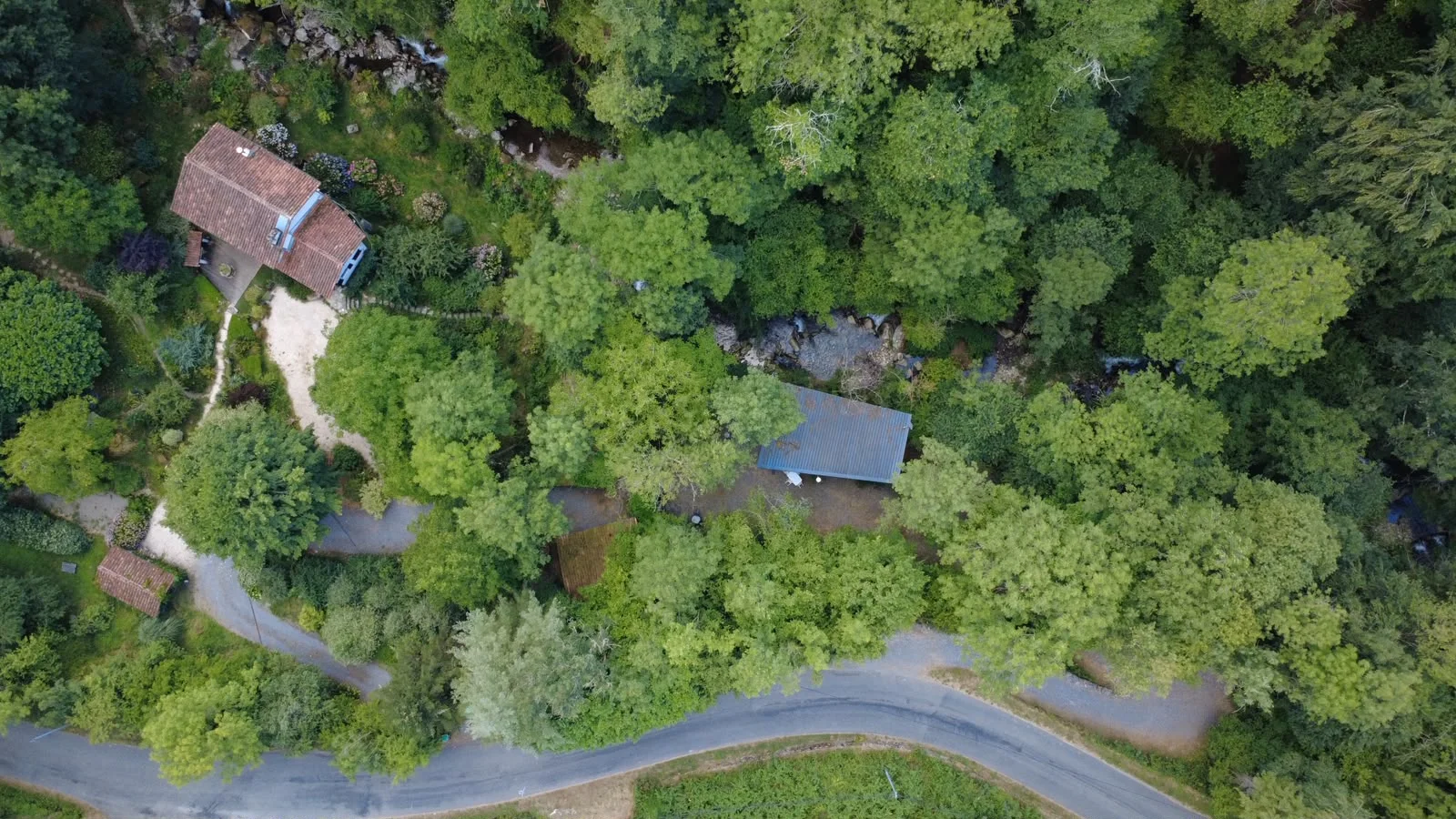
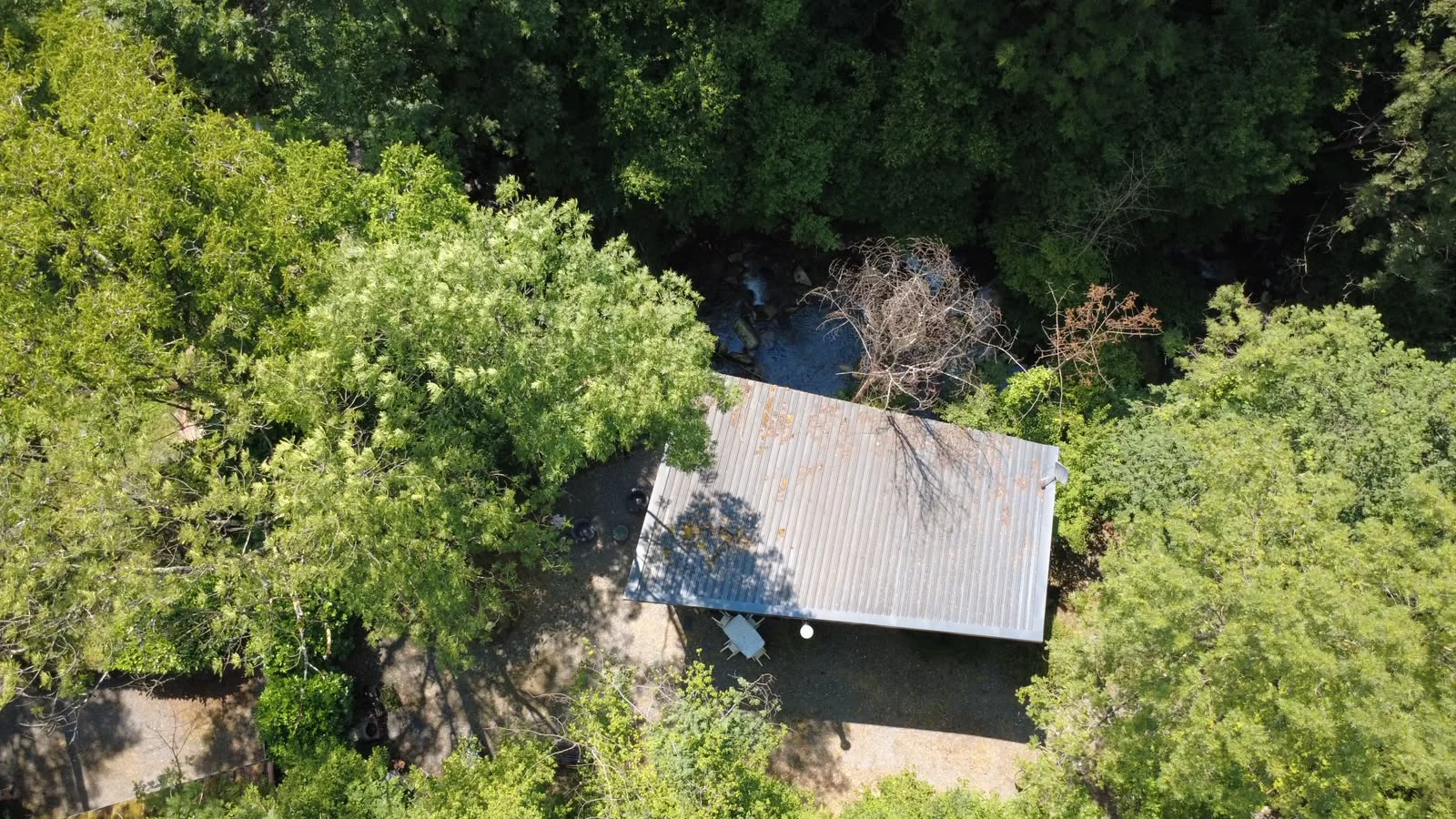
A scientific study describes Sost and Esbareich as a largely open agro-pastoral landscape in the nineteenth century. Twentieth-century reforestation partly explains the wooded world surrounding the Mill today.
Documented landscape · Sost and EsbareichThe old cadastre already draws paths around the watercourse and buildings. They suggest a valley shaped by movement, without assigning the Mill a passage story that has not yet been established.
Reading of the 1833 planStories of forests, plants and transformation belong to the Pyrenean imagination. Here they remain a cultural atmosphere: mystery accompanies facts; it does not replace them.
Oral memory · not historical proofThe present chapter
We live in the private part, preserve the estate’s traces and continue the research as the archives become legible.
The cottage keeps its own privacy: two independent master suites, forest all around and water close by. Guests never enter the private spaces, yet the place’s history is never entirely out of reach.
The next chapter is being written slowly.
Three public references
Only public sources that directly support this story remain here.
Sheet A du Village shows the group of buildings beside the watercourse.
View the original sheetScientific study of agro-pastoral and forest change in Sost and Esbareich.
Read the articleOfficial entry point to digitised holdings and municipal resources.
Open the recordLive the next part
Explore the two master suites and the spaces reserved for guests, then check availability.